

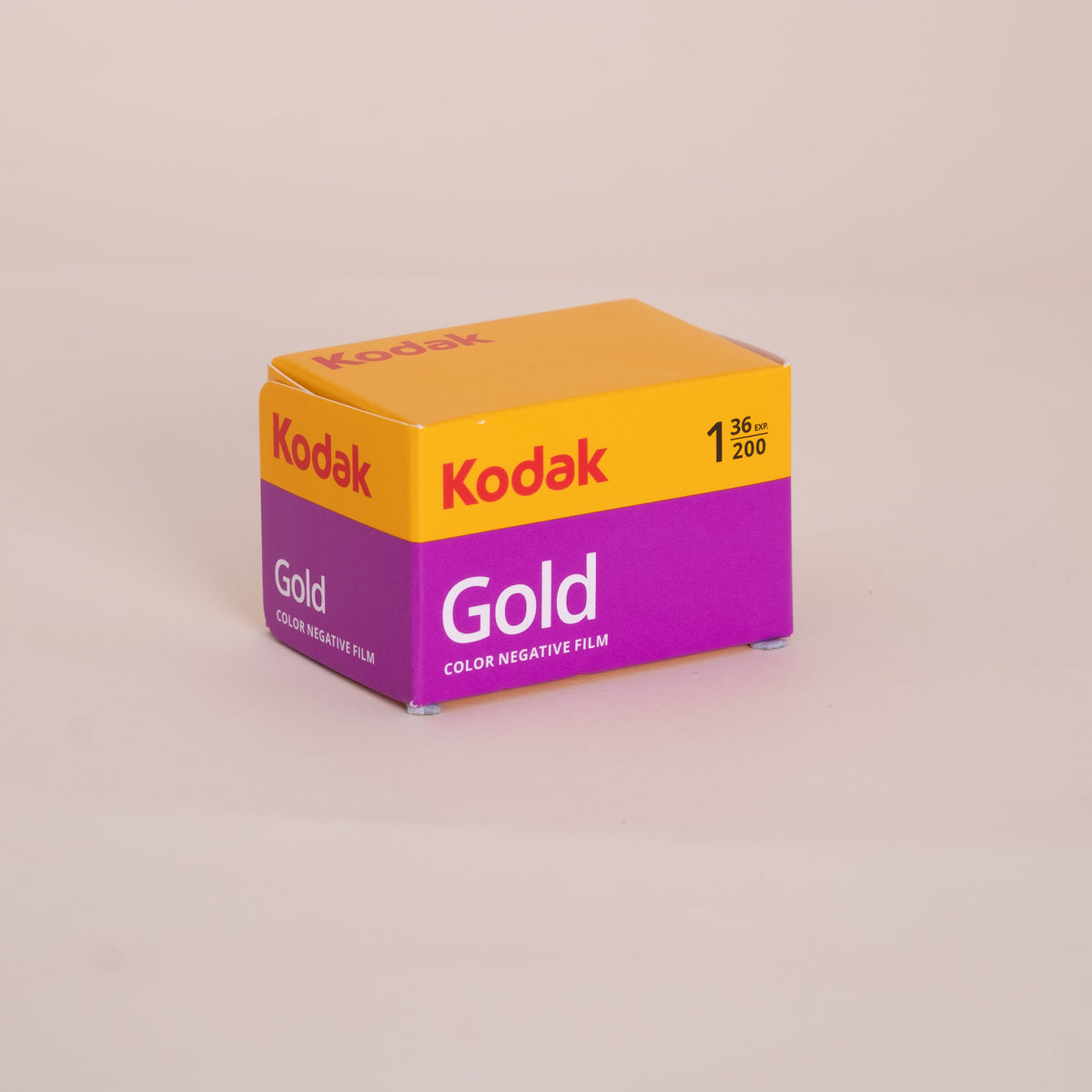
At Irohas Photo, we recommend keeping film cool, dry and protected from heat during an Australian summer. Follow the storage instructions for your particular stock rather than treating one temperature or deadline as a rule for every roll. Keep refrigerated film sealed while it returns to room temperature, and develop exposed film as soon as practical. A parked car is not a suitable place to leave film or a loaded camera.

Key Takeaways
- Heat can accelerate changes in film, but there is no universal 30°C damage threshold or fixed number of days before every roll is affected.
- Avoid leaving film or loaded cameras in parked cars. The boot and glovebox are not temperature-controlled storage.
- Keep unused film in its original sealed packaging and follow its manufacturer’s guidance for refrigeration or longer-term cold storage.
- Let cold film warm to room temperature inside its sealed packaging before opening to prevent condensation damage.
Why does heat damage film in Australia?
Film is a light-sensitive photographic material, and its condition changes over time. Higher temperatures can accelerate unwanted changes, while humidity can add physical problems. Both unexposed stock and the latent image on exposed film need care. The result depends on the stock, the conditions and the length of exposure to them, not simply the fact that you are shooting in Australia.
What happens inside the emulsion when film overheats?
Film contains light-sensitive silver-halide emulsions, and colour stocks also contain components used to form image dyes during processing. Heat can increase fog and affect sensitivity or colour balance. Exposed film may also suffer changes to its latent image before development. These effects vary: a particular brown or magenta cast is not a reliable thermometer, and a scan alone cannot prove exactly when or how a roll was damaged.
Why is a parked car unsuitable for film storage?
A closed vehicle in sunlight can become much hotter than the surrounding air. The exact temperature and rate of heating depend on weather, shade, vehicle and elapsed time, so a single “minutes until damage” figure is not a dependable film-care rule. Do not leave rolls in the boot, glovebox or centre console on the assumption that hiding them from sunlight keeps them cool.
The same precaution applies to consumer and professional stocks, and to film inside disposable cameras. A plastic camera body is not insulation against a hot environment. If a camera has been left in a car, keep a note of what happened and ask about processing; do not decide that every image must be lost or that the roll is definitely unaffected.
Heat and condensation are different issues. Heat can affect film during storage; condensation becomes a risk when cold film is exposed to warmer, humid air. Keep chilled film sealed until it has reached the surrounding temperature. Do not open a cassette or unroll exposed 120 film to check for moisture. The film still needs protection from light until processing.
For a day out, take the rolls you expect to use and keep the rest in suitable storage. Carry film with you rather than leaving it in the car between stops. A shaded bag can reduce direct sun exposure, but it is not refrigeration and does not establish a safe temperature. Plan a place for the film before packing everything else.
What do you need before storing film in heat?
Begin with intact original packaging, a clean secondary moisture barrier where needed, and a storage location that follows the stock’s instructions. Keep labels readable so you know which rolls have been exposed and which are unused. These simple measures help prevent mix-ups as well as limiting unnecessary handling. They do not make film immune to heat or extend its expiry date indefinitely.
What is the best container for storing film in hot weather?
Leave unopened film in its manufacturer’s sealed wrapper or container. A clean, sealable bag can provide another moisture barrier around the package, especially in cold storage. It is not a lightproof replacement for a 35mm cassette or 120 backing paper, and it provides little thermal protection on its own. Keep the bag away from wet items and avoid squeezing fragile rolls.
Should film go in the fridge or freezer during an Australian summer?
Check the guidance for the actual stock and how long you intend to store it. Manufacturers may specify cool storage, refrigeration or freezing for different products and durations. A refrigerator is useful for many rolls, but neither a fridge nor a freezer is a universal rule for every film. Keep packages sealed and dry, label them clearly, and plan enough time for gradual warming before use.
Take only the rolls you need out of cold storage. Leave them sealed while they warm fully to room temperature, then open the outer packaging when you are ready to load. The required time depends on starting temperature, package size and the surrounding conditions. Cold storage slows some changes; it does not guarantee unchanged film performance or correct damage that happened earlier.
How do you store unshot film before shooting?
Before shooting, check the film name, expiry information and storage instruction. Keep stock away from heaters, windows and damp spaces. Our beginner’s guide to 35mm film can help you choose a stock, but its storage requirements still come from the manufacturer. If you buy several rolls, organise them so the label and purchase history remain available without opening the protective packaging. Browse our current 35mm film range to see the options, then follow the chosen stock’s storage instructions.
For example, Kodak’s PORTRA 400 technical sheet specifies storage of unexposed film at 21°C or lower in the original sealed package and gives cooler guidance for extended storage. That is a product-specific recommendation, not a universal “safe room temperature” promise. Other stocks can have different requirements. Use their technical information rather than choosing a fridge or freezer only because the weather feels hot.
What temperature keeps film safe without a fridge?
Use the temperature stated for your film, not an undefined idea of room temperature. A cupboard in a hot house may exceed the conditions the manufacturer recommends. Choose the coolest suitable dry location available and keep it away from direct sun and heat sources. The expiry date assumes appropriate storage; it does not guarantee a roll that has already experienced unsuitable conditions.
How do you prevent condensation when taking film out of the fridge?
Keep the original protective package sealed until the roll is no longer colder than the surrounding room. Do not treat two or three hours as a rule for every cassette, and do not assume 120 always warms more slowly than 35mm. Packaging, starting temperature and humidity all matter. Avoid opening a cold package repeatedly to check the roll, because that introduces the warm air you are trying to keep out.
Prepare for this before heading out: remove the intended rolls early enough to warm gradually, then load according to the camera and film instructions. If a package is visibly wet or damaged, keep the film protected and ask for advice before using it. Do not unwrap exposed film to inspect the emulsion. Careful handling is more useful than trying to diagnose a hidden problem by touch.

How do you store exposed film after shooting?
After shooting, protect the roll from light, heat and moisture and arrange processing as soon as practical. Keep 35mm film inside its cassette and finished 120 rolls tightly wound with their sealing tab secured. Mark the outer container or accompanying note as exposed so it does not get mixed with fresh stock. Do not write on or pull out the film itself.
The latent image is the recorded but not yet developed image. Its keeping properties vary with the stock and conditions. There is no universal 48-hour quality cut-off and no basis for promising that a roll will show damage after a particular weekend. If processing must wait, follow the manufacturer’s exposed-film storage instructions. Protective cool storage and prompt processing are complementary choices, not alternatives.
How soon should exposed film be developed?
Process exposed film as soon as practical rather than relying on a fixed number of days. We list C-41 as same day before 3 pm, or next day, subject to the receiving lab’s availability. Other processes have different estimates, and mail-in transit adds time. Check our prices and turnaround before planning a deadline; faster processing cannot reverse previous heat damage.
What happens if exposed film sits in a hot car?
Record the stock, whether it was exposed, and the approximate conditions if you know them. Avoid opening the film or running a test exposure on an already-shot roll. Contact the lab if the packaging is distorted, wet or damaged. A history of heat exposure is useful information, but it does not establish the condition of each frame before processing.
Do not discard the roll solely because it was left somewhere hot. There may still be photographs worth developing, although fog, colour shifts or reduced contrast are possible. Explain the uncertainty when ordering and avoid promising a normal result for an important event. We can discuss the available service without claiming to measure invisible damage from the outside of a cassette.
Exposure does not create a general ban on refrigeration. Follow the stock’s guidance if exposed film needs cold storage, and keep it protected from light and moisture throughout. Never remove 35mm film from its cassette or unwind 120 backing paper to refrigerate it. A loaded camera also needs its own handling instructions; do not assume that chilling an entire camera is equivalent to storing a sealed roll.
What mistakes should you avoid in summer?
Avoid leaving rolls in vehicles, opening cold packages in humid air, or mixing exposed and unexposed stock without labels. Do not rely on a sealed bag to keep film cool, and do not assume a freezer stops every form of ageing. For postal orders, pack securely and choose the receiving lab before sending. Our mail-in instructions explain the order reference and payment steps. Our film-packing checklist covers protecting rolls for the journey.
How should you plan for condensation?
Plan the change from cold storage to use, rather than ranking condensation as always worse than heat. Keep the package closed while it warms, and follow any stock-specific guidance. If the outer package becomes damp, avoid introducing that moisture to the film. Do not use direct heat to hurry the process. A universal warm-up time would ignore the very conditions that determine it.
Can a lab fix heat-damaged film?
Scanning adjustments may improve the appearance of some colour casts, but they cannot guarantee recovery of information lost through exposure, deterioration or physical damage. The condition of the developed negative matters. Tell the lab what happened and ask about the expected workflow before paying for extra scanning. Standard Dev + Scan already includes high-resolution Noritsu scans; a paid file-format option is not a heat-damage repair service.
Our developing and scanning overview explains what we offer for 35mm and 120 film. It is a processing service, not a promise to restore every damaged emulsion. Keep the film and its history together, choose the appropriate process and make sure any unusual condition is discussed with the receiving lab. Prevention remains the more dependable way to protect the next roll.
FAQ
How soon should I develop exposed film in summer heat?
As soon as practical, while protecting it from light, heat and moisture. Follow the manufacturer’s guidance if storage is unavoidable. C-41 timing depends on the receiving lab’s cut-off and availability; other processes and postal transit take additional time.
Conclusion
Summer film care is a small routine: keep stock in suitable sealed storage, let chilled packages warm before opening, and develop exposed rolls promptly. Avoid parked cars and protect the film from moisture without treating any one temperature or deadline as a guarantee. If a roll has had a difficult journey, keep it protected and share that history with the lab before processing.


