


Looking for film developing near you? Irohas Photo develops and scans 35mm film, 120 film, disposable cameras, C-41 colour film, black and white film and E-6 slide film in Melbourne, Sydney and Perth, with mail-in film developing available Australia-wide.
This guide explains where to develop film in Australia, what to look for in a film lab, how different developing processes work, and how to choose the right scan option for your photos.
Quick Answer: Where Can I Develop Film in Australia?
You can develop film at Irohas Photo in Melbourne, Sydney and Perth, or mail your film to us from anywhere in Australia. We process 35mm, 120, disposable cameras, C-41 colour film, black and white film and E-6 slide film, with scanning options available for digital files.
- Melbourne: GL, 15 McKillop Street, Melbourne VIC 3000
- Sydney: B, 398-402 Sussex St, Haymarket NSW 2000
- Perth: Shop 202, 72 St Georges Terrace, Perth CBD WA 6000
Useful links: Developing & Scanning Service / Pricing · Mail-in Form · 35mm Film Collection · Disposable Camera Developing
What to Look for in a Film Lab
Not every lab offers the same level of consistency. Before you drop your film off, check four things: the equipment they use, the quality of their scans, their turnaround time, and whether they process your film type in-house.
1. Consistency starts with the machine
The best film labs produce stable results from frame one to frame 36. That usually comes down to the processor. Professional labs running Noritsu systems can control chemistry, temperature, timing, and agitation much more precisely than general photo stores or older minilabs.
If a lab cannot clearly tell you what equipment they use, that is usually a red flag. A specialist lab should be able to explain how they process C-41, black and white, E-6, and ECN-2, and whether those services are done in-house or sent elsewhere.
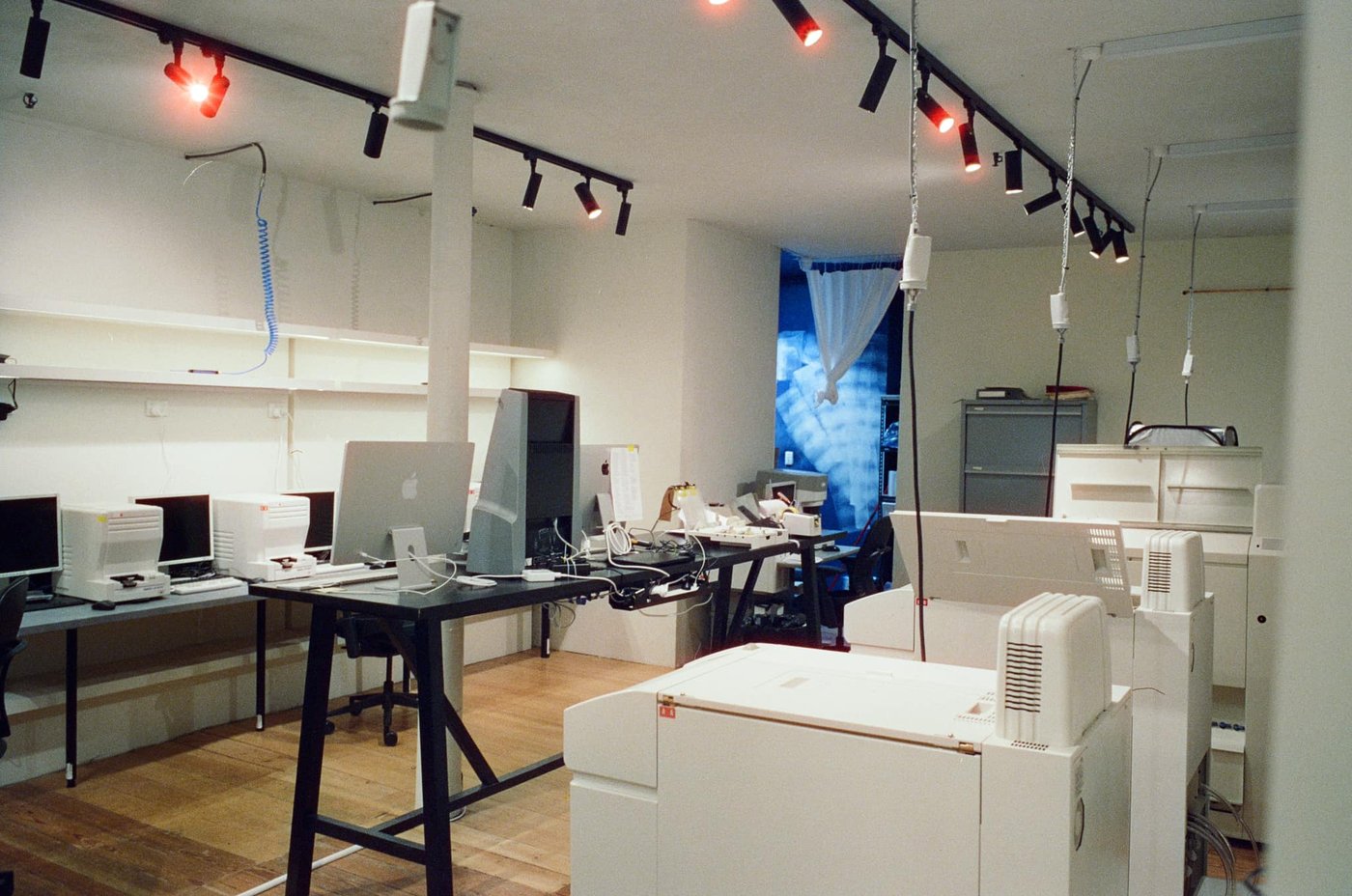
2. Scan quality matters just as much as resolution
Many labs advertise standard scans and high-resolution scans. That is useful, but scan quality is not just about megapixels. A well-calibrated scan from strong equipment will usually look better than a bigger file from a weaker scanner.
When comparing labs, look at sample scans and pay attention to skin tones, contrast, grain, and shadow detail. If you mostly share online, standard scans may be enough. If you want more room for editing or printing, higher-resolution scans are worth it.


Sample scans from Irohas Photo labs — colour and contrast calibrated on professional Noritsu equipment
3. Turnaround time can vary a lot
If fast delivery matters, always ask about turnaround before you place your order. Some labs can handle standard C-41 colour film on the same day or the next day. Others may take a week or more.
Black and white, E-6 slide film, and ECN-2 usually need more time. Morning drop-off cut-offs also matter if you want same-day service, especially in busy city labs.
4. Make sure they support your film type
Most labs can process standard C-41 colour negative film, but not all labs handle black and white, E-6 slide film, or ECN-2 cinema film properly in-house.
That matters because outsourced processing often means less quality control and longer turnaround. If you shoot Vision3, Cinestill, Ektachrome, Velvia, or home-labelled cinema stocks, always confirm the process before you send your rolls in.
Irohas Photo processes C-41, black and white, E-6, and ECN-2 in-house, including ECN-2 on a modified Noritsu V30 calibrated specifically for cinema film.
Where to Develop Film in Australia
If you want a reliable specialist lab, Irohas Photo Melbourne, Irohas Photo Sydney, and Irohas Photo Perth give you walk-in options across three major cities, plus a mail-in film developing service for customers across Australia.
- Melbourne: GL, 15 McKillop Street, Melbourne VIC 3000
- Sydney: B, 398-402 Sussex St, Haymarket NSW 2000
- Perth: Shop 202, 72 St Georges Terrace, Perth CBD WA 6000
If you are searching for film developing near me, these are the main Irohas Photo locations to know.
Mail-In Film Developing in Australia
If you are not near one of the physical stores, mail-in film developing is the easiest way to use a specialist lab from anywhere in Australia. This is a popular option for customers in Brisbane, Adelaide, Hobart, and regional areas.
The process is simple: package your film securely, send it to the lab, and receive your scans digitally once processing is complete.
- Use a padded mailer or small box.
- Include your name, email, and the number of rolls inside.
- Use tracked or registered post if you want extra peace of mind.
- Check the mail-in instructions page before posting your order.
How Different Film Developing Processes Work
C-41 is the standard process for most colour negative films, including many 35mm rolls, 120 rolls, and disposable cameras.
Black and white chemistry is used for monochrome films and usually has its own workflow and turnaround.
E-6 is the process for slide film, which produces positive transparencies instead of negatives.
Scanning is separate from developing. Developing creates the negatives or slides. Scanning turns them into digital files you can download, edit, print, and share.
How Much Does Film Developing Cost in Australia?
The cost of film developing in Australia depends on three things: the film type, the format, and the scan option you choose. Standard C-41 is usually the fastest and most common process. Black and white, E-6, and specialist processes may have different pricing and turnaround times.
For the latest pricing, it is best to check the current Developing & Scanning Service / Pricing page directly.
Film developing service options
| Film Type | Common Use | Developing Process | Scan Recommended? |
|---|---|---|---|
| 35mm colour film | Everyday cameras, point-and-shoot, SLR | C-41 | Yes, if you want digital files |
| 120 film | Medium format cameras | C-41 / B&W / E-6 depending on film | Yes, especially for editing or printing |
| Disposable cameras | Travel, parties, weddings, events | Usually C-41 | Yes |
| Black and white film | Classic monochrome photography | B&W chemistry | Yes |
| Slide film | Positive transparencies | E-6 | Yes |
FAQ About Film Developing in Australia
Can you still get film developed in Australia?
Yes. You can still get film developed in Australia through dedicated film labs like Irohas Photo. We develop and scan film in Melbourne, Sydney and Perth, with mail-in film developing available Australia-wide.
How much does film developing cost?
The cost depends on the film type, developing process and scan option. C-41 colour film is usually the most common option, while black and white, E-6 and specialist processes may have different pricing and turnaround times.
Where can I develop 35mm film near me?
You can develop 35mm film at Irohas Photo in Melbourne, Sydney or Perth. If you are outside these cities, you can mail your roll to Irohas Photo for developing and scanning.
Do I need film scanning as well as developing?
Yes, if you want digital files. Developing creates the negatives, while scanning turns those negatives into images you can download, edit and share.
Visit Irohas Photo or Mail Your Film Australia-Wide
If you want consistent processing, clean scans, and in-house support for specialist film stocks, Irohas Photo gives you both walk-in and mail-in options.
- Melbourne: GL, 15 McKillop Street, Melbourne VIC 3000
- Sydney: B, 398-402 Sussex St, Haymarket NSW 2000
- Perth: Shop 202, 72 St Georges Terrace, Perth CBD WA 6000
Visit us in Melbourne, Sydney or Perth — or mail your film Australia-wide: irohasphoto.com.au

