

C-41 is the standard film developing process used for most colour negative film. If you shoot Kodak Gold 200, Kodak Ultramax 400, Kodak Portra 400, Fujifilm colour film, Irohas Straya 400 or most disposable cameras, your roll will usually be developed using C-41 chemistry.
This guide explains what C-41 film developing is, which films use it, how it affects your photos, and how to develop and scan C-41 film with Irohas Photo in Australia.
What Is the C-41 Process?
The C-41 process is a standardised chemical developing method created for colour negative film. It became the global standard because it gives labs a reliable way to process common colour film stocks with consistent colour, contrast, and detail.
Unlike black and white processing, C-41 uses layered colour-sensitive emulsions and dye couplers to create a full-colour negative image. During development, those layers form cyan, magenta, and yellow dye images, which together create the colour information recorded on the film.
The chemistry follows a precise sequence that typically includes developer, bleach, fix, and stabiliser. When the process is controlled properly, the result is a clean, balanced negative ready for scanning or printing.
Which Films Use C-41 Developing?
| Film Stock | Film Type | Developing Process |
|---|---|---|
| Kodak Gold 200 | Colour negative film | C-41 |
| Kodak Ultramax 400 | Colour negative film | C-41 |
| Kodak Portra 400 | Professional colour negative film | C-41 |
| Irohas Straya 400 | Colour negative film | C-41 |
| Most disposable cameras | Colour negative film | C-41 |
In practical terms, if you are shooting common colour negative film, there is a very good chance your roll needs C-41 processing. That is why C-41 is one of the most important developing methods for everyday film photographers.
Why C-41 Produces High-Quality Images
One of the biggest advantages of C-41 is consistency. Because the temperatures, timing, and chemistry are standardised, labs can produce even results across different rolls and different film stocks.
That consistency helps colours stay balanced, skin tones look natural, and shadows and highlights hold detail more reliably. It also makes C-41 one of the most lab-friendly film processes in the world.
When paired with professional processing equipment and careful scanning, C-41 negatives are capable of excellent colour accuracy and strong image detail.
Fast Turnaround Without Cutting Corners
Compared with black and white or E-6 slide film, C-41 is usually faster to process. In a professional lab with automated equipment, the chemical sequence can be completed efficiently while still maintaining quality.
That is why many labs can offer same-day or next-day turnaround for C-41 colour film. Faster processing does not mean lower quality here — it is the standardised nature of the process that makes speed possible.
What C-41 Means for Your Photos
For photographers, C-41 is the bridge between exposed colour film and usable final images. It preserves the colour information captured on the roll, creates the physical negative, and prepares the film for scanning or printing.
If you want digital files after developing, you will also need scanning. Developing creates the negatives. Scanning turns those negatives into digital images you can download, edit, post, or print.
About Irohas Photo’s C-41 Service
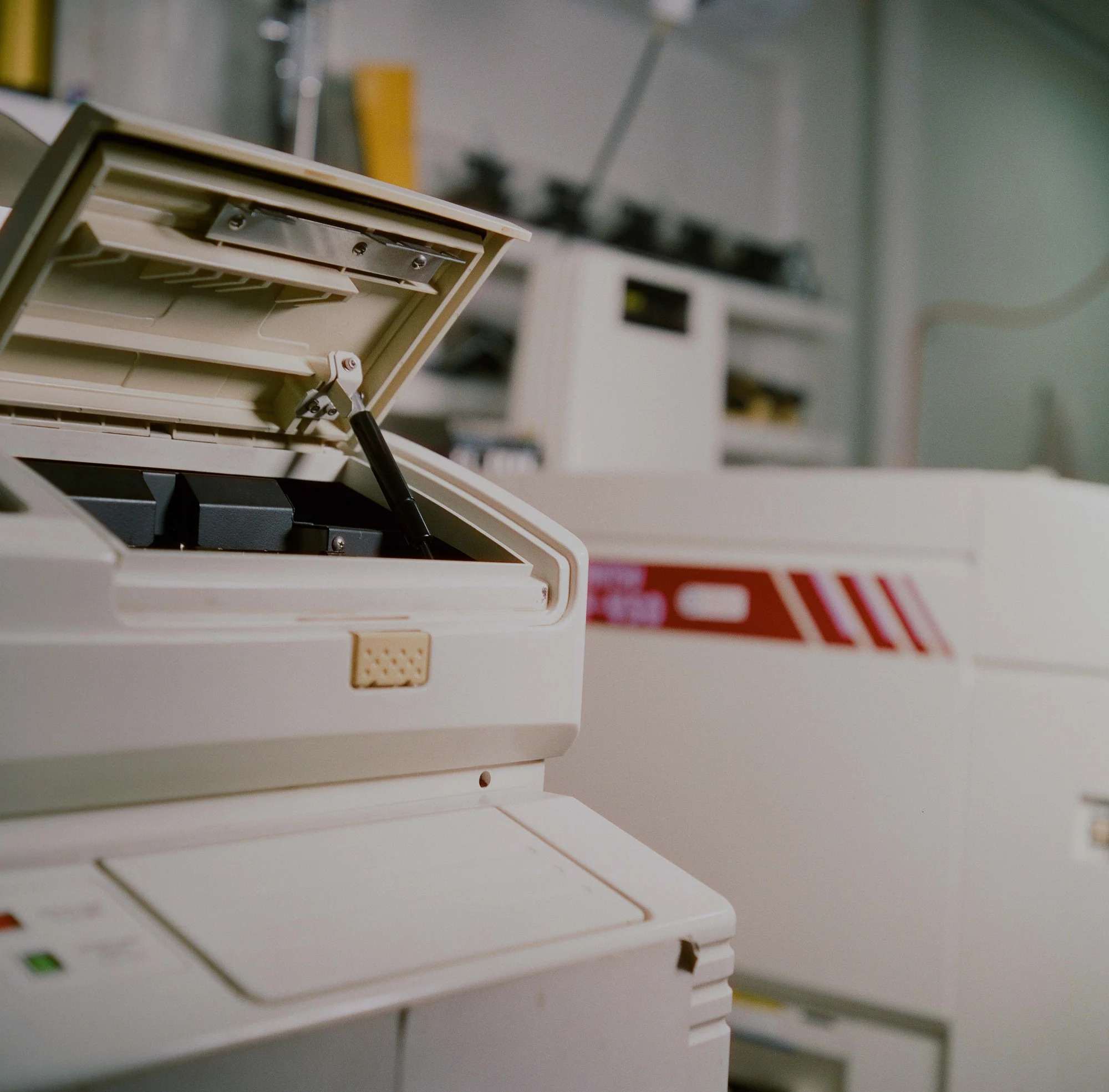
At Irohas Photo, C-41 colour negative film is processed using professional Noritsu roller-transport machines and lab-controlled chemistry to keep colour fidelity and consistency high.
Once processed, your film can be scanned and delivered as digital files, while the developed negatives are cut, sleeved, and returned. This makes the service suitable for both first-time film shooters and experienced photographers who want dependable colour results.
Useful internal links: Developing and Scanning · Processing Service Pricing · 35mm Film Collection
Develop C-41 Film with Irohas Photo
If you have a roll of C-41 colour film, Irohas Photo can develop and scan it for you. We process 35mm film, 120 film and disposable cameras in Melbourne, Sydney and Perth, with mail-in film developing available Australia-wide.
- Melbourne: GL, 15 McKillop Street, Melbourne VIC 3000
- Sydney: B, 398-402 Sussex St, Haymarket NSW 2000
- Perth: Shop 202, 72 St Georges Terrace, Perth CBD WA 6000
You can also use our mail-in film developing service if you are outside these cities.


